
English| EUR
Suggested for you
More currencies
Choose a language
The highway bus from Nagoya to Shirakawa-go operates as the only direct public transport link between central Aichi and the mountain village. Services run daily via the Gifu Bus network, requiring advance reservation during most of the year. Understanding the route options and booking windows determines whether your day trip succeeds or requires a last-minute route change.
Quick answer
The Nagoya to Shirakawa Go bus departs from Meitetsu Bus Center (located above Nagoya Station) with services operated by Gifu Bus and Nohi Bus. The journey takes approximately 2 hours and 50 minutes on the direct Takayama-bound highway route, with one or two daily departures depending on season. Reservations are mandatory year-round and can be made up to one month in advance through the Gifu Bus online portal or at ticket counters; same-day boarding without a reservation is not permitted.
A single highway bus company holds the concession for the Nagoya to Shirakawa-go corridor, and that monopoly shapes every aspect of the journey. Gifu Bus operates the route under a regional partnership with Nohi Bus, running coaches that continue north to Takayama rather than terminating at Ogimachi. The service exists because JR discontinued its experimental express trains in the early 2000s, leaving the mountain village reachable only by private car or long-distance coach. The booking system opens exactly 30 days before departure at 10:00 Japan Standard Time. Peak periods—Golden Week, August Obon, autumn foliage season from mid-October through early November, and winter illumination weekends—sell out within hours of the reservation window opening. The Gifu Bus website processes reservations in Japanese, with an English toggle that translates navigation but not error messages. Payment requires a Japanese credit card or convenience store settlement, which must be completed within two days of booking or the reservation auto-cancels. Foreign visitors without Japanese payment methods reserve through JR Tokai Tours or hotel concierge counters, both of which add service fees. Departure times vary by season but follow a consistent pattern: the morning coach leaves Meitetsu Bus Center between 08:50 and 09:10, reaching Shirakawa-go by noon. A second afternoon departure runs only during high season, leaving Nagoya around 13:30. Return journeys from the Ogimachi bus terminal depart mid-afternoon and early evening, the exact times shifting with daylight hours. Travelers aiming for the recommended 08:00–10:00 arrival window must take the earliest Nagoya departure or stay overnight in Takayama and catch the southbound morning coach. The highway route climbs through the Hida mountain range via the Tokai-Hokuriku Expressway, bypassing Gifu city entirely. Coaches make one rest stop at a roadside service area roughly 90 minutes into the journey. Luggage racks accommodate carry-on bags, but the undercarriage hold requires advance notice for oversized items. No onboard restroom exists; the rest stop is the only facility break before arrival at the UNESCO World Heritage site.
“The booking system opens exactly 30 days before departure at 10:00 Japan Standard Time.”
The most direct route from Nagoya to Shirakawa-go is via the highway bus service departing from the Meitetsu Bus Center. This service provides a straightforward connection to the village, eliminating the need for transfers.
Gifu Bus (Highway Bus) from Meitetsu Bus Center to Shirakawa-go
Tokai-Hokuriku Expressway to Shirakawa-go IC
The best arrival window is 08:00–10:00. Arriving early helps avoid the largest crowds and tour groups that peak midday.
This itinerary suits day-trippers arriving on the morning bus from Nagoya, allowing roughly 4–5 hours to explore the village before catching an afternoon return. The sequence prioritizes key cultural sites and viewpoints while staying compact and walkable.
From the bus terminal, head into Ogimachi village center (5-minute walk). Start at Wada House, the largest gassho-style residence open to visitors, to understand traditional architecture and daily life. Allow 20–30 minutes inside.
Continue to Kanda House, another well-preserved farmhouse with historical exhibits. Stroll the main village lanes between stops to see working gassho homes, shops, and seasonal gardens—most of Shirakawa-go's charm lies in these quiet streets.
Climb the hillside path (15 minutes uphill) to the Shiroyama Observation Deck for the iconic overhead view of thatched roofs and rice fields. Early arrival helps secure unobstructed photos before midday tour groups arrive.
Return to the village for lunch at a local soba or teishoku restaurant. Afterward, visit Myozenji Temple and its adjacent museum to see temple architecture and folk artifacts—a quieter cultural stop away from the main pedestrian flow.
Explore the southern end of Ogimachi, including smaller gassho houses, craft workshops, and souvenir shops. This area sees fewer crowds and offers a more relaxed pace for browsing local textiles and woodwork.
Loop back toward the bus terminal, stopping for any last photos or snacks. Confirm your return bus time and arrive at the terminal 10 minutes early to secure seating—afternoon buses fill quickly during peak seasons.
The best arrival window for visitors traveling by bus from Nagoya is 08:00–10:00. Arriving early helps avoid the largest crowds and tour groups that peak midday.
Mild, 10°C to 18°C. Cherry blossoms bloom and snow melts from the landscape.
Warm, 20°C to 28°C. Lush green rice paddies surround the farmhouses.
Cool, 8°C to 17°C. Fall foliage colors change across the mountain slopes.
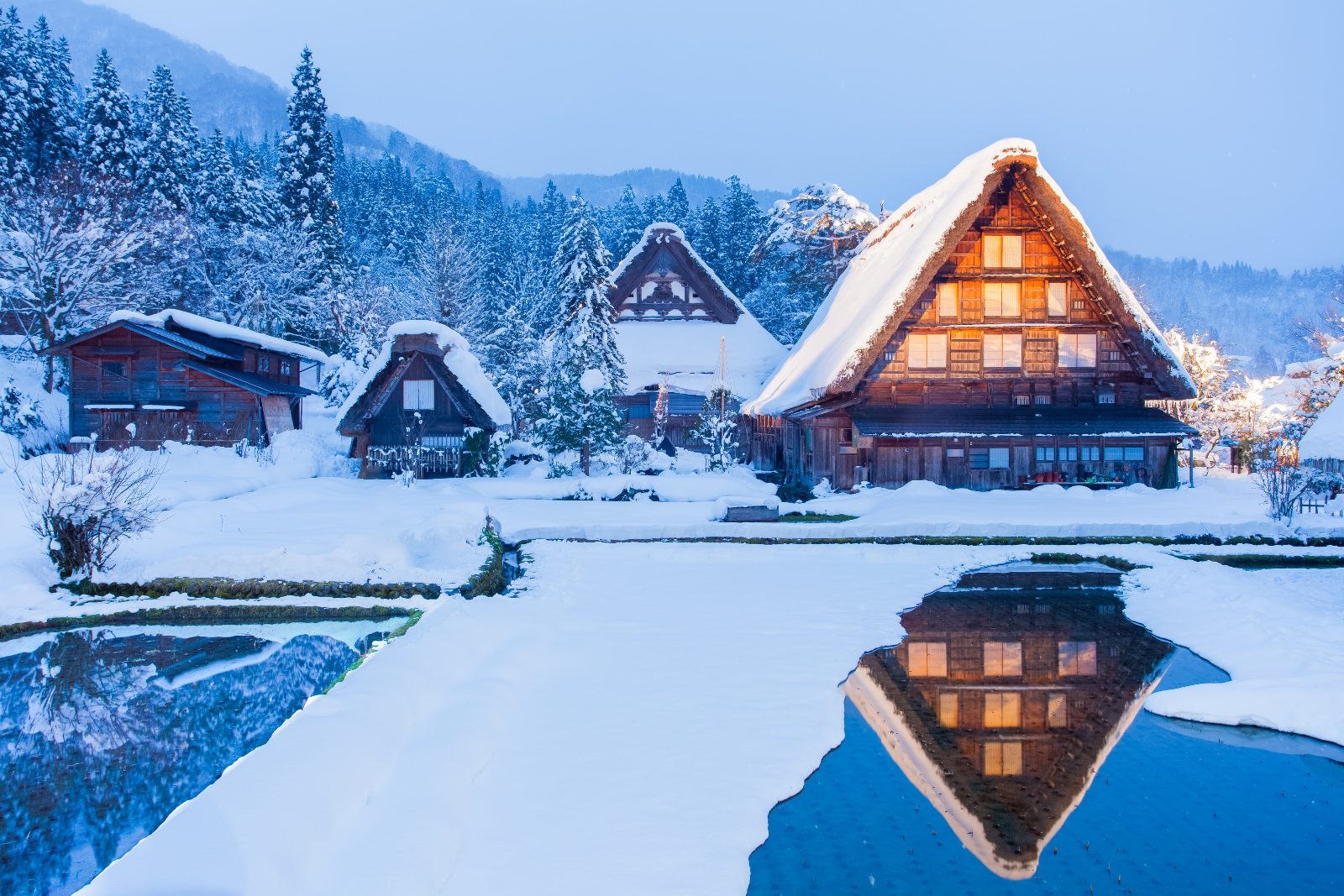
Cold, -5°C to 5°C. Heavy snowfall covers the village in winter.
Verdict: Tuesday to Thursday, arriving between 08:00 and 10:00, in April or October provides the most favorable balance of weather and crowd levels.
The Shirakawa-go village facilities maintain consistent daily operating hours throughout the week.
Entrance to the Shirakawa-go village is free for all visitors. Please note that this applies only to the village area and is separate from any costs associated with bus travel or transportation.
Verdict: A typical adult pays 0 JPY for village admission, though costs for private vehicle parking will vary based on vehicle type.
Shirakawa-go remains a living village where residents occupy many gassho-zukuri houses. Respectful behavior preserves the community's daily life and protects the UNESCO World Heritage site for future visitors.
Everything you need to know about nagoya to shirakawa go bus
Yes, direct highway bus services connect Nagoya to this Gifu mountain village. These express coaches provide the most convenient link between the city and the historic thatched-roof houses.
The travel time typically ranges between 2.5 and 3 hours depending on road conditions and the specific bus schedule. You can check current departure times through our booking widget below to plan your day effectively.
It is highly recommended to secure your seats early for the nagoya to shirakawa go bus as this route is popular with both international and domestic travelers. Booking ahead ensures you have a confirmed spot on your preferred departure time.
Entry to the village itself is 0 JPY, meaning you do not pay an admission fee to walk through the historic site. Please note that while access is free, private vehicles are subject to parking fees.
Arriving between 08:00–10:00 is ideal to experience the serene atmosphere before the largest crowds and tour groups peak during midday. An early arrival allows you to explore the gassho-zukuri structures at a more relaxed pace.
Yes, the Shirakawa-go bus terminal is equipped with coin-operated lockers where you can store bags while exploring. This facility is particularly useful for visitors on a day trip who want to walk hands-free.
The village is compact and best explored on foot, which allows you to appreciate the intricate timber frames and river scenery closely. Most visitors find that walking is the only necessary mode of transport once they arrive at the main stop.
How to Go to Shirakawa-go from Nagoya
Read more GuideWhere to Stay Near Shirakawa-go
Read more GuideShirakawa-go Entrance Fees and Costs
Read more Tickets & toursNagoya to Shirakawa-go Day Trips
Read more Tickets & toursNagoya to Shirakawa-go Bus Tours
Read more Tickets & toursNagoya to Shirakawa-go Private Tours
Read more