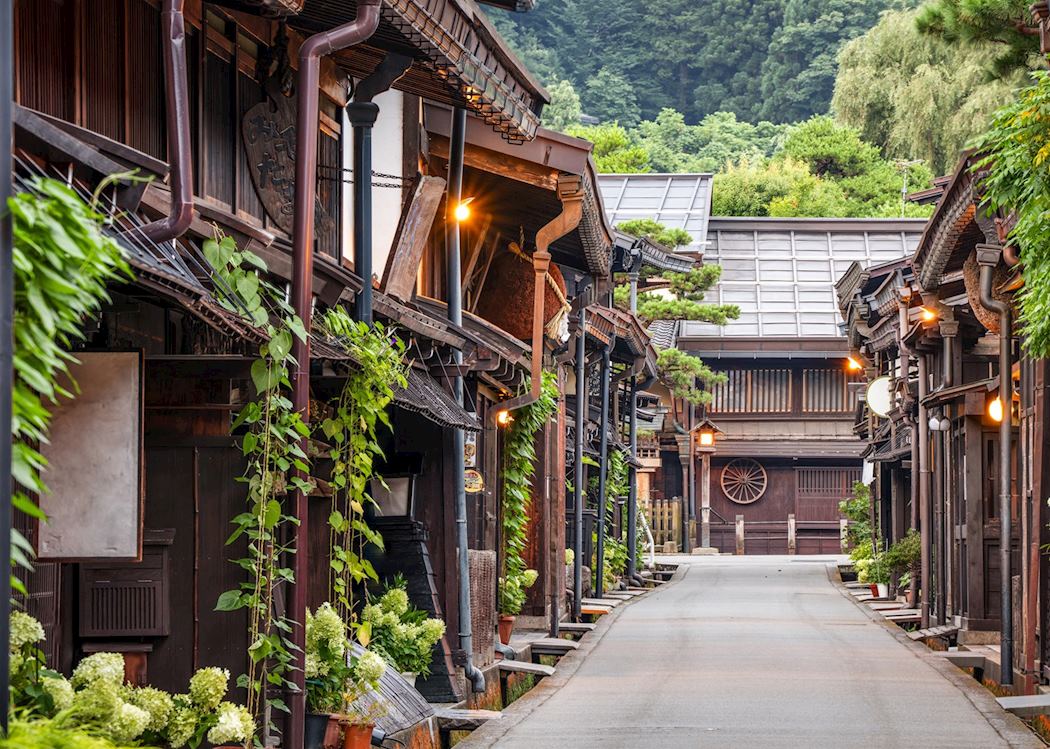
Takayama
50 minutes by bus
This historic city serves as the primary base for exploring the region, offering a wide range of hotels and traditional ryokans. It pairs well with Shirakawa-go due to the frequent direct highway bus connections.

Shirakawa-go sits in a remote mountain valley, and overnight options range from traditional farmhouse stays inside Ogimachi village to modern hotels in nearby gateway cities. Your choice depends on whether you want immersive village access or flexible transport connections. This guide maps the three accommodation zones and explains what each offers.
Quick answer
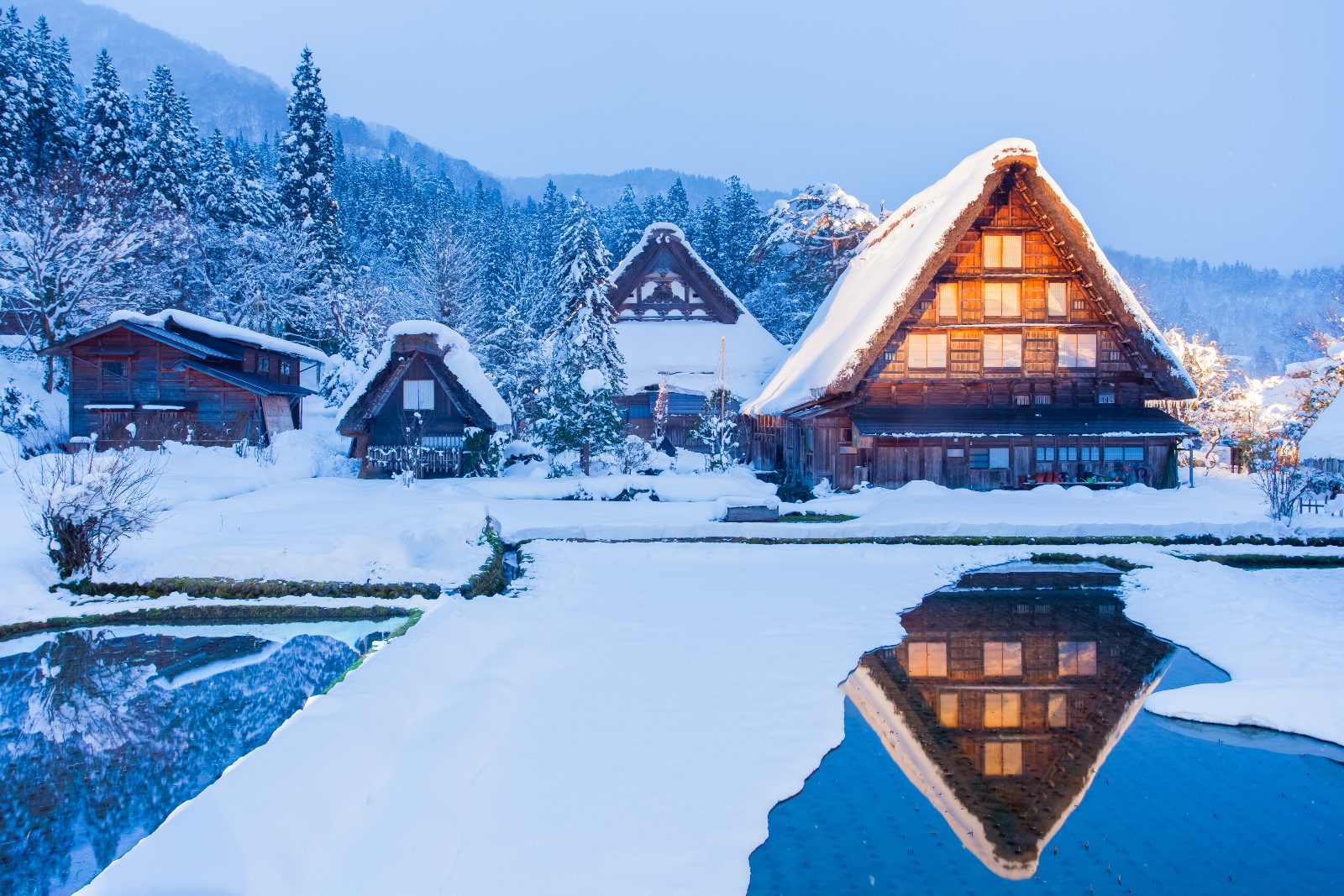
Where to stay near shirakawago depends on your priorities. Ogimachi village offers 20 gassho-zukuri farmhouse lodges with direct morning access before day-trippers arrive. Takayama, 50 minutes north by bus, provides the widest ryokan selection and twice-daily express connections. Kanazawa and Toyama, 75-90 minutes away, serve as practical bases with Shinkansen links and hourly highway bus departures.
Only nine gassho-zukuri farmhouses in Ogimachi village accept overnight guests, and reservations open six months ahead. Staying inside the UNESCO zone means stepping outside at dawn to photograph thatched roofs without tour groups, then walking three minutes to the Wada House museum when it opens at 08:00. Most farmhouse hosts serve kaiseki dinners with locally foraged vegetables and Hida beef, and futon rooms share communal baths. The village has no convenience stores or late-night facilities. Takayama functions as the traditional staging point for Shirakawa-go logistics. The city lies 50 minutes south via Nohi Bus express service, departing eight times daily from Takayama Nohi Bus Center adjacent to JR Takayama Station. Takayama's Sanmachi Suji historic district holds 60 ryokan and boutique hotels, most within walking distance of the bus terminal. The 08:50 and 09:50 departures position you in Ogimachi by 10:00, ahead of peak congestion. Return buses run until 16:20, allowing four hours in the village. Kanazawa and Toyama offer faster Shinkansen access from Tokyo and Osaka but require highway bus connections to Shirakawa-go. Kanazawa Station sends buses hourly from 08:10 to 15:10, with the journey taking 75 minutes via the Hokuriku Expressway. Toyama operates a parallel schedule with 90-minute travel time. Both cities provide international-standard hotels, English signage, and staffed tourist offices. Where to stay near shirakawago ultimately balances immersion against logistical flexibility. Farmhouse lodges require advance commitment and no itinerary changes. Gateway cities preserve transport optionality and backup plans for weather disruptions. Winter illumination events in January and February book out four months early across all three zones.
“Only nine gassho-zukuri farmhouses in Ogimachi village accept overnight guests, and reservations open six months ahead.”
While Shirakawa-go offers a unique atmosphere, most visitors choose to stay in nearby regional cities due to limited local lodging. These hubs provide convenient access for travelers continuing their journey through the Japanese Alps.
50 minutes by bus
This historic city serves as the primary base for exploring the region, offering a wide range of hotels and traditional ryokans. It pairs well with Shirakawa-go due to the frequent direct highway bus connections.
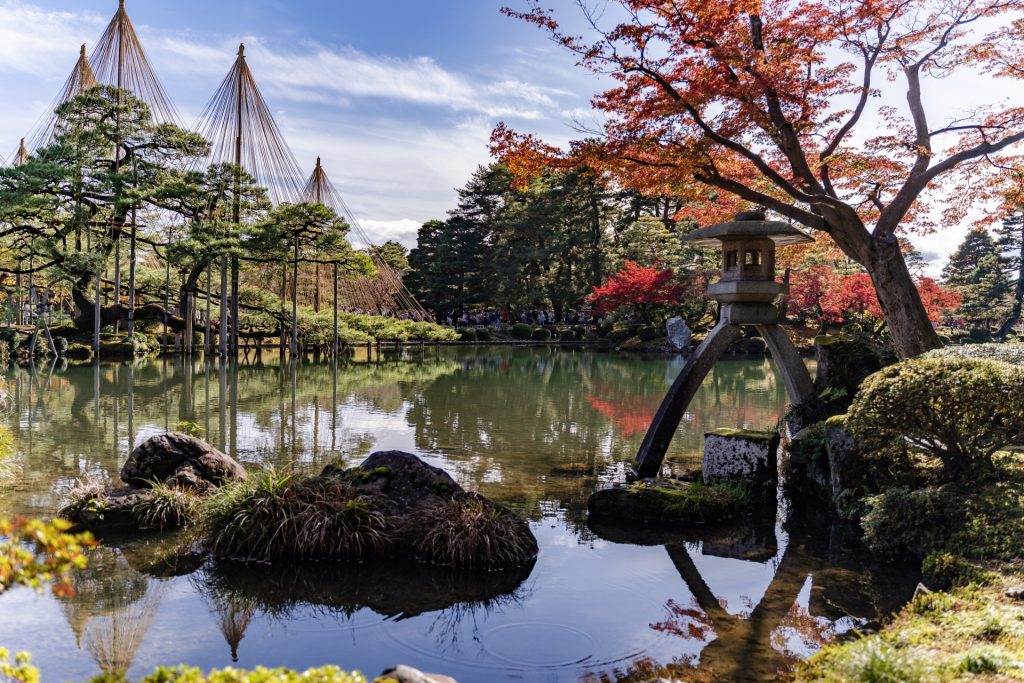
75 minutes by bus
Located on the coast, this city is a common choice for those traveling between Kyoto and Shirakawa-go. It offers extensive accommodation options and direct high-speed bus links to the village.
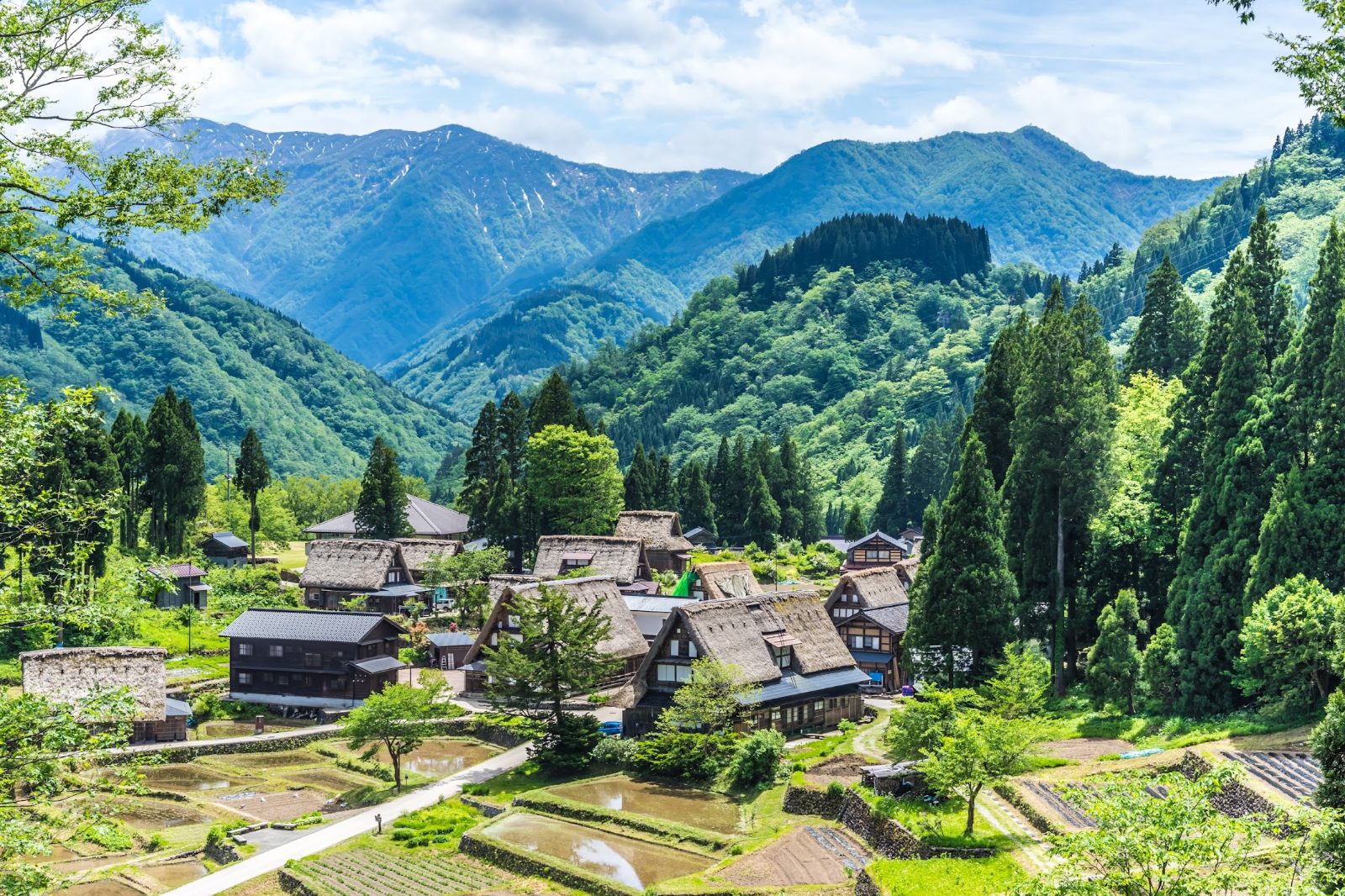
30 minutes by car
These nearby historic villages provide a quieter alternative for those seeking to experience UNESCO-recognized gassho-style architecture similar to Shirakawa-go.
Securing accommodation in Shirakawa-go requires strategic planning due to the limited number of traditional guesthouses.
Most traditional guesthouses in the village do not use international booking platforms and require reservations months in advance via local tourism associations.
Many owners prefer direct contact or requests through the official Shirakawa-go tourism site to manage availability.
While some hosts have limited English proficiency, using simple, clear Japanese or a translation tool for your request increases your chances of a successful booking.
Staying in a minshuku almost always includes dinner and breakfast, as there are very few dining options available in the village after the day-trip visitors depart.
Traditional lodgings operate on strict schedules and typically expect guests to arrive by late afternoon, as the village becomes very quiet and dark after sunset.
Prepare to pay in cash, as many of these small, family-run establishments do not have the infrastructure to process credit cards.
The village remains open to visitors daily, providing a consistent schedule for those planning their stay nearby. We recommend arriving between 08:00 and 10:00 to avoid peak afternoon crowds and secure parking.
Access to the Shirakawa-go village is free of charge. Costs associated with your visit, such as overnight stays, are private transactions separate from village entry.
Verdict: A typical adult pays 0 JPY for village entry, with total costs depending solely on individual facility fees and private accommodation choices.
Everything you need to know about where to stay near shirakawago
Visitors can choose between traditional gassho-zukuri farmhouses located directly within the village or hotels and inns in the surrounding Shirakawa-mura area. Those seeking a deeper cultural experience often prioritize the historic thatched-roof dwellings.
Many travelers find that staying within the village provides a more authentic experience, while nearby towns offer more modern amenities and hotel-style services. Planning your itinerary around where to stay near shirakawago often involves balancing these two distinct styles of lodging.
To ensure a smooth visit, the recommended arrival window is 08:00–10:00. Arriving early helps you avoid peak afternoon congestion and secures parking before the site becomes crowded.
Yes, the village is famous for its historic gassho-zukuri structures, many of which operate as minshuku or traditional family-run guesthouses. These properties allow guests to experience local customs and mountain cuisine firsthand.
Because the village is a popular UNESCO World Heritage site, lodging options—especially traditional farmhouses—fill up months in advance. It is highly recommended to finalize your travel plans early if you have a specific preference for your base of operations.
The village is accessible via bus routes that connect to major hubs like Takayama or Kanazawa. Once you arrive at the bus terminal, most of the historic area is easily explorable on foot.
How to Go to Shirakawa-go from Nagoya
Read more GuideNagoya to Shirakawa-go Bus Guide
Read more GuideShirakawa-go Entrance Fees and Costs
Read more Tickets & toursNagoya to Shirakawa-go Day Trips
Read more Tickets & toursNagoya to Shirakawa-go Bus Tours
Read more Tickets & toursNagoya to Shirakawa-go Private Tours
Read more