
English| EUR
Suggested for you
More currencies
Choose a language
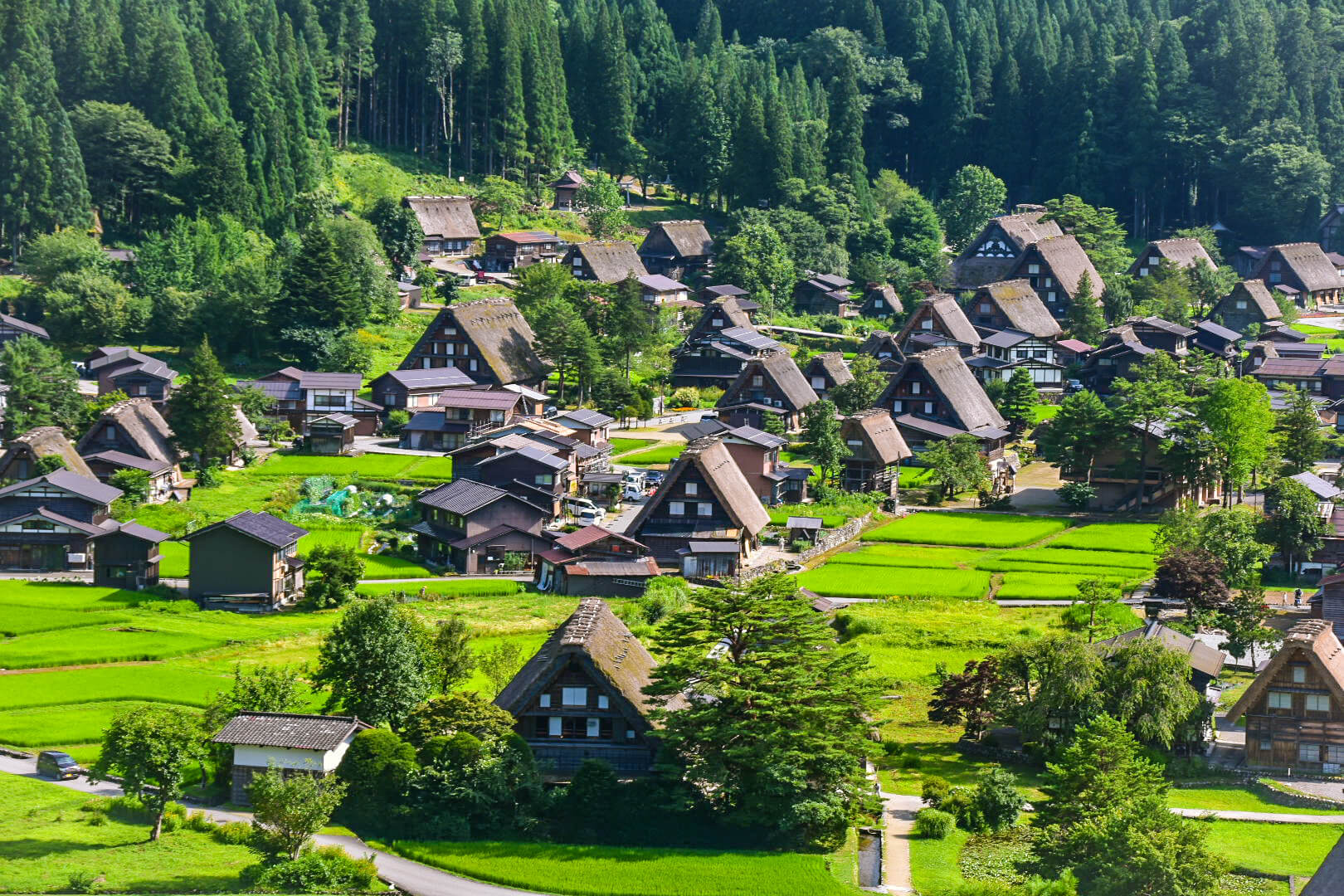
The UNESCO-listed village of Shirakawa-go charges no fee to enter its streets or photograph its iconic gassho-zukuri farmhouses. Admission costs apply only to individual heritage houses that function as museums, each operating independently with its own ticket desk.
Quick answer
Shirakawa Go entrance fee is ¥0—the village itself is open to the public at no cost year-round. Individual gassho-zukuri farmhouses that open as museums charge separate admission, typically ¥300-¥600 per house. You can walk the village, explore the observation deck, and photograph the thatched roofs without paying anything, but stepping inside preserved farmhouses requires purchasing tickets at each site.
Shirakawa-go operates on a dual-access model uncommon among Japan's heritage sites: the entire village remains a living community where residents farm rice and maintain family homes, not a gated attraction. The absence of a Shirakawa Go entrance fee reflects this status—you walk among working farmsteads, not a theme park. What confuses first-time visitors is the patchwork of ticketed sites within the free zone. Roughly a dozen gassho farmhouses function as house museums, each preserving Edo-period interiors, irori hearths, and silkworm attics. These charge individual admission because they are privately owned heritage properties, not municipal museums. Wada House, the largest, asks ¥600. Kanda House and Nagase House charge ¥300 each. You buy tickets at each entrance—no combination pass exists. Most visitors enter two or three houses and spend ¥900-¥1,500 total. The village's most photographed views cost nothing. The Shiroyama Observation Deck, reached by a 10-minute uphill walk or shuttle bus, offers the postcard angle of thatched roofs against the Shogawa River valley. No ticket, no gate. The same applies to the Deai Bridge crossing, the temple grounds, and the network of footpaths threading between paddies. Budget travelers photograph, hike, and leave having spent zero yen on access. Understanding the village entrance fee structure helps you allocate time and money. If interior architecture and folk artifacts matter to you, budget ¥1,500 and visit three houses. If you came for the landscape and seasonal atmosphere, the free access delivers the full experience. Either way, the village remains open around the clock—though farmhouse museums close by 17:00 and food stalls shut earlier in winter.
“The entire village remains a living community where residents farm rice and maintain family homes, not a gated attraction.”
Access to the Shirakawa-go village is free of charge. Visitors only incur costs when entering specific historical houses, museums, or exhibitions located within the village.
Verdict: A typical adult pays 0 JPY to enter the village, though costs increase when choosing to tour specific internal cultural facilities.
The Shirakawa-go village remains accessible 24 hours a day, seven days a week. Please note that individual facilities, museums, and shops within the village operate on their own distinct schedules.
Shirakawa-go is located in the remote mountains of the Gifu Prefecture. Reaching the village requires a combination of rail and bus travel, as there is no direct train station in the village itself.
Nohi Bus from Takayama Station to Shirakawa-go
Hokutetsu Bus from Kanazawa Station to Shirakawa-go
Tokai-Hokuriku Expressway to Shirakawa-go IC
The village is best accessed by highway bus from nearby transport hubs like Takayama or Kanazawa. Visitors arriving by car should utilize the designated Seseragi Park Parking Lot located across the river from the main village.
The optimal time to visit Shirakawa-go is during the best arrival window of 08:00–16:00. This timeframe allows visitors to avoid peak midday congestion while ensuring full access to village facilities before they close.
—
Visiting between 08:00 and 10:00 provides the quietest experience for walking the village. Facilities begin opening during this period.
Cool, 10°C to 18°C
The snow has melted, allowing for easier navigation of village paths. These months offer mild conditions for exploration.
Crisp, 8°C to 15°C
Fall foliage provides clear visibility of the landscape. Early arrival remains essential to utilize village services before the 16:00 transition.
Verdict: The concrete best slot is arriving Tuesday to Thursday between 08:00 and 10:00 during the months of April or October.
Shirakawa-go is a living village where residents continue their daily lives alongside tourism. Respectful behavior preserves the site's UNESCO World Heritage status and maintains harmony with the local community.
Everything you need to know about shirakawa go entrance fee
The shirakawa go entrance fee is 0 JPY, as the village itself is public and does not charge for general entry. Visitors are free to walk through the village lanes without purchasing a pass. Individual facilities or private museums may charge separate admission to view their interiors or participate in workshops. We recommend checking the shirakawa go entrance fee details for specific buildings if you plan on exploring house interiors. Arriving between 08:00 and 16:00 is ideal to ensure access to village facilities before they close. This shirakawa go entrance fee status allows for flexible day trips from Nagoya while you focus your budget on local transportation and specific site tours.
How to Go to Shirakawa-go from Nagoya
Read more GuideNagoya to Shirakawa-go Bus Guide
Read more GuideWhere to Stay Near Shirakawa-go
Read more Tickets & toursNagoya to Shirakawa-go Day Trips
Read more Tickets & toursNagoya to Shirakawa-go Bus Tours
Read more Tickets & toursNagoya to Shirakawa-go Private Tours
Read more